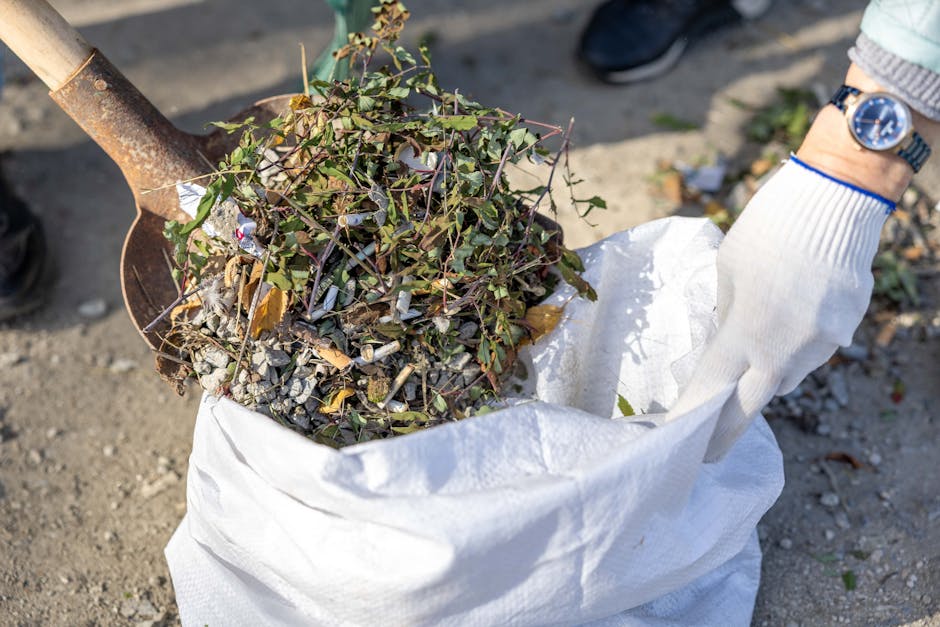
Garden waste disposal rules for Chessington removals

If you are moving house, clearing a garden, or helping a client with a tidy-up, the rules around garden waste disposal can catch people out very quickly. Loose branches, hedge trimmings, soil, turf, old plant pots, and bags of leaves all seem harmless enough on their own, but once you start packing a van, timing a removal, or trying to avoid a messy driveway, the details matter. That is exactly why understanding Garden waste disposal rules for Chessington removals is worth a proper look.
In this guide, we will walk through what counts as garden waste, how it should be handled during a move, what usually causes problems, and how to stay on the right side of local expectations and general UK waste practice. You will also find a practical checklist, a simple comparison table, and a few real-world examples from the kind of jobs that can get a bit chaotic if the waste is not sorted early. Truth be told, a little planning saves a lot of faff later.
Why Garden waste disposal rules for Chessington removals Matters
Garden waste is one of those things that looks simple until you actually have to move it. A few sacks of cuttings can become several bulky loads once you start trimming hedges, lifting sodden grass, or clearing a border that has been left for years. During removals, the challenge is not only disposal; it is also separating what can be reused, what can be recycled, and what should never go into a general waste load in the first place.
For Chessington moves, this matters for three main reasons. First, it helps keep the move organised. Second, it reduces the chance of contamination in a van load, which can make disposal more difficult. Third, it supports cleaner and more responsible handling of green waste. If your move involves garden furniture, old soil bags, broken fencing, or a long-neglected shed corner, it is very easy for the garden side of the move to overrun the rest of the day.
There is also a practical safety angle. Wet grass, thorny clippings, old compost sacks, and awkward branches can all create trip hazards and splinters. Nobody wants to be carrying a wardrobe past a pile of brambles at 7.30 in the morning. A clear process keeps everyone moving safely, which is why you will often see good removal teams treating the garden before the house itself.
If your wider move involves a full property clearance, services such as home moves and man and van support can be useful for moving the household items, while the garden waste is dealt with separately and sensibly.
How Garden waste disposal rules for Chessington removals Works
At a practical level, garden waste disposal rules are about sorting the right material into the right route. Green waste usually includes grass cuttings, hedge trimmings, leaves, small branches, weeds, and plant matter. Depending on the job, it may also include roots, turf, and small amounts of soil attached to plants. What you cannot assume is that all of this can be thrown in with household rubbish. That is where people get into trouble, or at least into an expensive muddle.
The usual process in a removals context is straightforward:
- Separate garden waste from furniture, boxes, and general rubbish.
- Remove contaminants such as plastic ties, broken pots, garden netting, and packaging.
- Keep soil, rubble, and hardcore apart from light green waste where possible.
- Bag or bundle waste in a way that is safe to carry and load.
- Use a disposal route that accepts the waste type, whether that is a recycling route, a licensed waste facility, or a collected load arranged as part of the move.
In many removal jobs, the biggest issue is not the waste itself but the mix. A pile that contains hedge cuttings, a cracked terracotta pot, a broken trellis, and a bag of old compost is much harder to handle than each item on its own. One reason clients appreciate a removal services approach is that the logistics can be coordinated properly instead of becoming a last-minute scramble.
Small detail, but important: if garden waste is damp, it weighs more than people expect. That affects loading, handling, and sometimes cost. You will notice the difference when you lift a bag that looked feather-light on the lawn and suddenly feels like it has swallowed half the garden after one rainy night.
Key Benefits and Practical Advantages
Getting the garden waste part right has a few very real advantages, and they show up fast on moving day.
- Cleaner loading: a tidy separation between green waste and household items keeps the van more organised.
- Lower contamination risk: recyclable garden material is less likely to be mixed with non-recyclable rubbish.
- Less stress on the day: you are not making disposal decisions while the clock is ticking.
- Better safety: fewer loose, sharp, wet, or heavy items lying around the access route.
- More efficient disposal: the right waste goes to the right place first time, which is simply easier all round.
There is also a financial side, even if it is not always obvious. Poorly sorted waste can mean extra handling, extra trips, or wasted labour. If you are already arranging a broader move and comparing options like removal van support or moving truck capacity, understanding what can travel together helps you avoid paying for space you do not need.
For landlords and homeowners alike, it can also improve the impression a property gives at handover. A back garden full of half-filled rubble sacks, wet leaves, and broken canes is not exactly a warm welcome. A clear finish feels better. More professional too, to be fair.
Who This Is For and When It Makes Sense
This topic matters to more people than you might think. It is not only for full house moves. Garden waste rules become relevant any time there is movement, clearance, or change in occupancy.
- Home movers: especially if the property includes a front garden, side return, shed, or overgrown borders.
- Landlords and letting agents: when a garden needs to be cleared between tenancies.
- Flat residents with communal outdoor space: where rules about access, disposal, and shared bins can be stricter.
- Families doing a pre-sale tidy-up: where kerb appeal matters and waste needs shifting quickly.
- Office or commercial occupiers: if there are planted areas, planters, or outdoor break spaces to clear.
For example, someone moving from a Chessington semi with a large lawn may need a different plan from someone in a small terrace with three bags of hedge trimmings. The first might need a structured collection and disposal approach. The second may just need good sorting and sensible loading alongside the rest of the move.
If you are dealing with a bigger relocation and storage gap, it may help to combine waste clearing with storage or a well-timed same day removals booking. That way, the household items and the outdoor waste are not competing for time and space.
Step-by-Step Guidance
Here is the simplest way to handle garden waste disposal during a removal without turning it into a weekend-long headache.
- Walk the garden before you pack anything. Look for cuttings, pots, old soil bags, broken tools, plant supports, and anything that has drifted into the borders.
- Separate green waste from everything else. Keep plant material apart from furniture, general rubbish, and building debris.
- Check for contamination. Remove plastic plant ties, metal fixings, cable, and non-organic packaging where possible.
- Decide what is reusable. Good pots, usable tools, and intact outdoor equipment may be worth keeping or passing on instead of disposing.
- Bundle or bag safely. Use sacks that can be carried without splitting. Avoid overfilling. Nobody enjoys carrying a bag that bursts halfway down the path.
- Keep access routes clear. Stack materials where the loaders can reach them without damaging paving, fencing, or plants you are keeping.
- Confirm disposal arrangements in advance. If a removal team is collecting the waste, make sure they know what type and amount is involved.
- Do a final sweep. Before the van leaves, check corners, shed bases, and behind bins. That last look often catches the small stuff.
If you want the whole move to feel less fragmented, use the same sort of planning discipline you would apply to packing and boxes. The principle is the same: sort early, label clearly, and do not mix categories unless you genuinely need to.
A useful rule of thumb is this: the more mixed the load, the slower the disposal process later. Simple. Not glamorous, but true.
Expert Tips for Better Results
After enough moves, you start to notice the same patterns. The jobs that run smoothly are rarely the ones with the fanciest equipment. They are the ones where the sorting was done early and the waste was not left to the last possible minute.
- Dry waste where possible. A tarp or sheltered area can stop green waste becoming waterlogged overnight.
- Use the right bag type. Thin sacks split; stronger ones save time and sore hands.
- Keep a "do not load" pile. Set aside anything that needs repair, reuse, or separate disposal.
- Trim bulky branches down. Shorter lengths are easier to handle and less awkward in the van.
- Protect flooring and thresholds. Soil and damp clippings can stain or mark paths if people keep walking them through the house.
- Be realistic about volume. Garden waste always looks smaller on the lawn than it does once it is bagged. Always.
There is another small but valuable point. If you are also moving furniture from the garden or garage, think about how the waste and the reusable items interact. A worn garden table, a broken parasol base, and some hedge clippings may all need different handling. A service like furniture removals can help with the reusable pieces, while the waste route stays separate and cleaner.
And one more thing: tell everyone involved what the plan is. It sounds obvious, but in real life someone always leaves a bag by the side gate and forgets it. Human nature, isn't it?
Common Mistakes to Avoid
Most problems with garden waste during removals come from a handful of avoidable mistakes. If you steer clear of these, the whole process becomes much easier.
- Mixing green waste with general rubbish. This is the big one. Once waste is mixed, disposal options narrow quickly.
- Assuming soil is the same as plant waste. Soil, turf, and roots often need different handling from leaves and cuttings.
- Overfilling bags. Heavy bags split, and split bags create mess, delays, and sore backs.
- Leaving sharp items hidden inside waste. Broken spades, glass, wire, and canes can cause injuries.
- Forgetting access issues. Narrow side paths, steps, and wet lawns can change the loading plan fast.
- Waiting until moving day to sort everything out. That one causes a domino effect. The van arrives, the clock starts, and everyone gets flustered.
One common example: a customer clears a patio, puts the plant pots in one pile, the soil in another, and the hedge trimmings in a third. Great. Then the bags get topped up with old packaging and an odd bit of broken fencing. Suddenly, the load is no longer straightforward garden waste. It is a mixed disposal issue, which is never ideal.
Another: damp grass cuttings packed late in the evening. By morning they are heavier, smell a bit earthy in that unmistakable way, and are harder to carry cleanly. Small thing, big difference.
Tools, Resources and Recommendations
You do not need specialist kit for most garden waste clearances, but a few basic tools make a noticeable difference.
- Heavy-duty sacks: useful for clippings, weeds, and smaller green waste.
- Garden gloves: protect against thorns, splinters, and damp grime.
- Tarpaulin or ground sheet: keeps piles cleaner and easier to lift.
- Wheelbarrow or sack truck: especially helpful for longer gardens or awkward access.
- Securing straps or twine: handy for bundling branches and keeping loose material together.
- Labelled boxes or tubs: for separating reusable tools, pots, and accessories from waste.
For a move that involves more than just garden debris, it is often smart to coordinate waste clearing with the rest of the property logistics. If you are working with a team already handling the household side, services such as man with van support or broader removals coordination can help keep the day flowing.
You may also want to review a provider's wider approach to handling waste and recycling. A page like recycling and sustainability is useful if you want to understand how a company thinks about reuse and responsible disposal, not just transport.
Law, Compliance, Standards, or Best Practice
When garden waste is part of a removal, the safest approach is to treat it as a controlled waste-handling task, even if the job is relatively small. In the UK, you should always be careful about who takes the waste, where it goes, and whether it is mixed with materials that should be handled separately. You do not need to become a legal expert to make sensible choices, but you do need to be careful.
Best practice usually means:
- using a waste route that is appropriate for green waste;
- keeping recyclable and non-recyclable materials apart where possible;
- avoiding fly-tipping risks by only using legitimate disposal channels;
- checking access, load size, and handling requirements before collection day;
- following any site, landlord, or property-specific rules if you are in a shared building or managed estate.
If you are hiring help, it is sensible to check insurance and handling expectations as well. The team should be clear about safe loading and responsible transport. A page like insurance and safety is relevant here, because waste handling and moving work both benefit from the same careful mindset.
For business moves or commercial outdoor areas, the standards matter even more. A small courtyard clearance or planter disposal can still create access, safety, and reputational issues if it is handled badly. That is why commercial moves need just as much attention to waste segregation as any domestic job.
Expert summary: The safest approach is to sort garden waste early, keep it separate from general rubbish, and confirm the disposal route before removal day. That simple habit prevents most problems before they even begin.
Options, Methods, or Comparison Table
There is no single right way to deal with garden waste during a Chessington move. The best option depends on volume, access, timing, and whether the waste is mostly green material or a mixed garden clear-out.
| Method | Best for | Pros | Watch-outs |
|---|---|---|---|
| Self-sorted bagging | Small to moderate green waste | Cheap, simple, easy to stage | Can become heavy; needs time and effort |
| Removal team collection | Mixed move with waste and furniture | Convenient, coordinated, less lifting for you | Needs clear instructions and accurate volume estimates |
| Separate garden clearance | Large overgrown gardens or seasonal cut-backs | Efficient for bulky green waste | May need more planning and access space |
| Reuse or donation first | Usable pots, tools, garden decor, or furniture | Reduces waste and supports sustainability | Only works for items in decent condition |
In practice, many Chessington customers end up using a mix of these. A few usable items go aside, the green waste is bagged, and the heavier or awkward pieces are loaded separately. If your move also includes large household items, a page like house removals can be useful for understanding how the move side and waste side fit together without stepping on each other's toes.
Case Study or Real-World Example
Imagine a family moving out of a semi-detached home in Chessington after spring garden maintenance. They have three bags of hedge trimmings, a stack of old plant pots, a broken lawn edging strip, and a couple of bags of soil from replanting tubs. On paper, it sounds manageable. In reality, without a plan, it can spread across the patio, the hallway, and the driveway by lunchtime.
They start by sorting the green waste into strong sacks and keeping soil in separate bags. The old plant pots are checked for reuse; a few are kept for the new place, and the cracked ones are set aside. The broken edging strip is separated because it is not green waste. Then the team loads the household items and the garden waste in the order that makes unloading easiest. Nothing fancy. Just tidy, calm, practical.
The result? Fewer trips, no mysterious mixed bags, no last-minute panic, and a cleaner handover. Most importantly, the moving day feels controlled rather than noisy and scattered. You can almost hear the relief in the background when the last bag goes and the drive is finally clear.
That sort of outcome is common when garden waste is treated as part of the move plan, not as a leftover chore. And that is the whole point here.
Practical Checklist
Use this checklist before moving day. It is simple, but it works.
- Have I separated green waste from general rubbish?
- Have I removed plastic, wire, tags, and other contaminants?
- Have I checked whether soil, turf, and rubble need separate handling?
- Are my bags strong enough and not overfilled?
- Have I decided what can be reused, donated, or kept?
- Is the access route clear for loading?
- Have I told the removal team what needs taking away?
- Have I protected floors, thresholds, and any clean areas?
- Do I know where the waste is going and how it will be handled?
- Have I done a final garden sweep before the van leaves?
If you are managing the rest of the packing too, combining this with packing and unpacking services can take a surprising amount of pressure off the day. Less running around, fewer loose ends. Lovely, really.
Get a free quote today and see how much you can save.
Conclusion
Garden waste disposal rules for Chessington removals are really about common sense, careful sorting, and using the right disposal route for the right material. If you handle the garden early, keep waste separate, and plan the loading properly, the whole move becomes easier, cleaner, and much less stressful.
The key is not perfection. It is preparation. A few strong bags, a quick sort-through, and a clear plan will usually beat a rushed last-minute tidy every time. And honestly, on moving day, that is often the difference between feeling scrambled and feeling in control.
Take your time with the garden side, and the rest of the move tends to fall into place. One small job well handled can change the whole mood of the day.
Frequently Asked Questions
What counts as garden waste during a removal?
Garden waste usually includes grass cuttings, hedge trimmings, leaves, weeds, small branches, roots, and plant matter. Depending on the job, it can also include turf and some attached soil, though that may need separate handling if it is heavy or contaminated.
Can I put garden waste in the same load as general rubbish?
It is best not to, unless the disposal route clearly accepts mixed waste. Garden waste is usually easier and cleaner to handle when kept separate from household rubbish, packaging, and broken furniture.
Do soil and turf count as garden waste?
They are related, but they are not always treated the same way as light green waste. Soil and turf are heavier and can affect loading, disposal, and cost, so they should be assessed separately where possible.
What should I do with old plant pots and garden tools?
If they are usable, keep or reuse them. If they are cracked, broken, or no longer needed, they may need a different disposal route from green waste. Metal tools, plastic pots, and ceramic items usually do not belong in the same sack as clippings.
Is it better to clear the garden before the removal team arrives?
Yes, if you can. Clearing the garden in advance helps with access, reduces delays, and makes it easier to separate waste from items that are being moved to the new property.
How do I stop garden waste bags from splitting?
Use strong sacks, avoid overfilling them, and keep sharp sticks or heavy wet material to a manageable size. If a bag feels awkward to lift before it is tied, it is probably already too full.
What happens if garden waste is mixed with plastic or rubble?
Mixed waste can be harder to recycle and may need separate handling. That can slow the process down and sometimes increase disposal complexity, so it is worth sorting the waste properly from the start.
Can removal services take garden waste as part of a move?
Often they can, provided the waste type and volume are agreed in advance. It is always better to explain exactly what is involved so the team can plan the right vehicle space and handling method.
Are there special rules for garden waste in flats or shared properties?
There can be. Shared access, communal bins, and estate rules may affect where waste is stored and how it is moved out. In these situations, it is worth checking the building rules before you start shifting bags around.
What is the safest way to move heavy garden waste?
Break it into smaller loads, use proper lifting technique, and avoid carrying awkward, waterlogged bags over long distances. A wheelbarrow, sack truck, or planned loading route can make a huge difference.
How can I make garden waste disposal more sustainable?
Separate reusable items, keep green waste clean, and avoid mixing it with non-organic rubbish. Using a provider that takes recycling and responsible disposal seriously also helps, especially during larger removals.
What is the biggest mistake people make with garden waste on moving day?
The most common mistake is leaving sorting until the last minute. Once everything is mixed together and the van is already there, options shrink fast. A little prep the day before usually saves a lot of grief.