Chessington South Station Access Guide for Removals Trucks
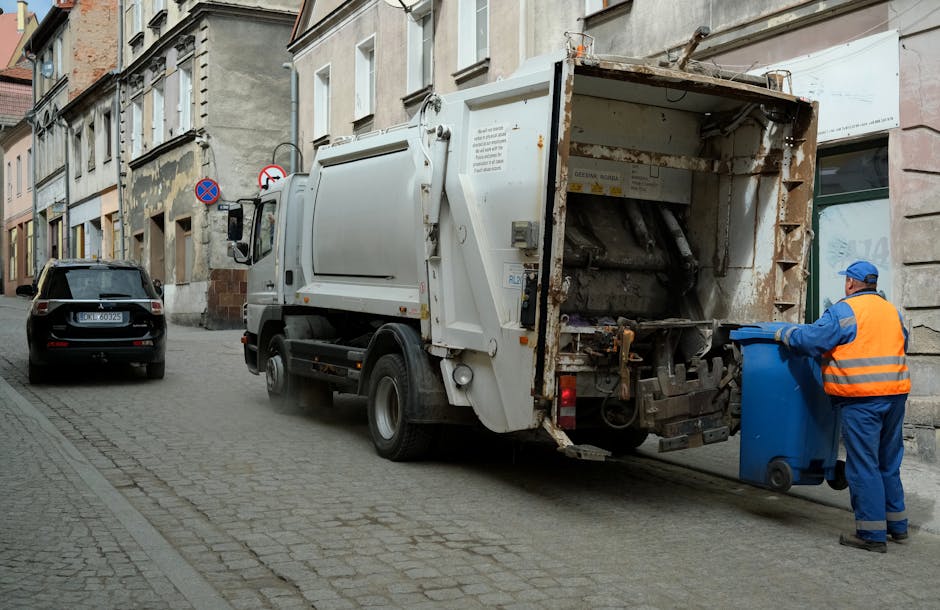
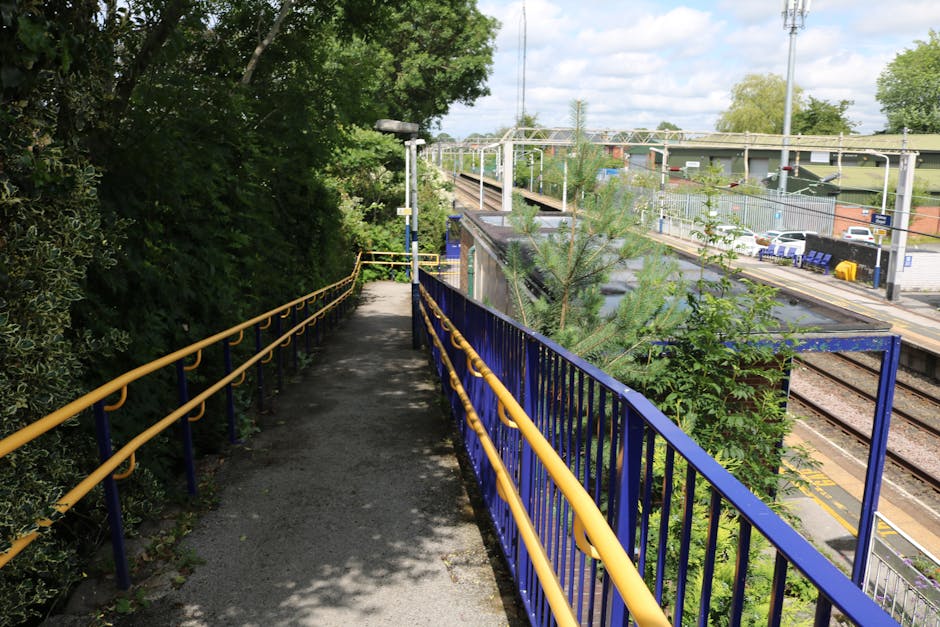
Planning a move near Chessington South station can be trickier than it looks. The streets around rail links often feel straightforward on a map, then suddenly turn into tight corners, parked cars, awkward junctions, and that one delivery lorry that has decided to stop exactly where you need to be. This Chessington South station access guide for removals trucks is here to make that feel a lot more manageable.
Whether you are moving out of a flat, helping a relative, or arranging a full household relocation, the real challenge is rarely just the lifting. It is the access: where the truck can stop, how long it can stay, whether the route is suitable, and how to keep the move calm rather than chaotic. A little planning goes a long way. Truth be told, a smooth removals day usually starts before the van even turns the corner.
Below, you will find a practical, local-minded guide to access around Chessington South station, with sensible steps, common mistakes, useful comparisons, and a checklist you can actually use. If you need broader moving support, it also helps to look at removals in Chessington, especially for multi-item or full-property moves.
Table of Contents
- Why Chessington South station access matters
- How access for removals trucks works
- Key benefits and practical advantages
- Who this is for and when it makes sense
- Step-by-step guidance
- Expert tips for better results
- Common mistakes to avoid
- Tools, resources and recommendations
- Law, compliance, standards and best practice
- Options, methods and comparison table
- Case study or real-world example
- Practical checklist
- Conclusion
- Frequently asked questions
Why Chessington South station access matters
Station-area access is not just a logistics detail. Around Chessington South, the difference between an easy move and a fraught one often comes down to whether the removals truck can safely approach the property, stop without causing disruption, and leave again without reversing into a narrow blind spot. If you have ever watched a driver try to squeeze a van past parked cars while someone shouts directions from a pavement, you will know what I mean.
For removals crews, access affects timing, labour, vehicle choice, and the risk of damage. For you, it affects stress levels, costs, and how long boxes sit in the hallway waiting for the "right moment" to be carried out. It also matters because stations tend to attract commuter parking, short-stay traffic, and busier pavement activity at certain times of day. In practical terms, that can mean fewer stopping options than the postcode alone suggests.
Good access planning is especially important if you are dealing with heavier furniture, awkward staircases, or fragile items. If that sounds familiar, the advice in solo strategies for lifting heavy objects and safer lifting techniques can help you prepare before the truck arrives. The point is simple: access and handling go hand in hand.
How Chessington South station access guide for removals trucks works
A useful access guide starts with three questions: where can the vehicle legally and safely stop, how will items move between the property and the truck, and what might block or delay that route on the day? That sounds obvious, but many moves fail because one of those questions is only assumed, not checked.
In practice, access planning usually happens in layers:
- Arrival planning - deciding the best time for the truck to reach the property.
- Vehicle suitability - choosing a removals van, man and van, or larger truck depending on space and load.
- Loading route - confirming the path from front door to vehicle, including stairs, turns, and door widths.
- Kerbside or off-road stopping - determining whether the vehicle can pause close enough to reduce carrying distance.
- Fallback options - identifying an alternative place to stop if the first choice is occupied.
That last part matters more than people think. A move that looks simple on a quiet weekday morning can become messy within ten minutes if a neighbour returns, a delivery lorry arrives, or a bin truck is passing through. Having a plan B keeps the day moving.
For many local customers, the best approach is to match the vehicle to the access rather than force the access to suit the vehicle. If you are unsure, a service page like man with van in Chessington can be a sensible starting point for smaller loads, while larger homes may need the broader support outlined in house removals in Chessington.
Key benefits and practical advantages
Well-planned station access brings more than convenience. It creates a calmer moving day, and that shows up in several very practical ways.
- Less carrying distance - fewer steps between the front door and the vehicle means less fatigue and lower handling risk.
- Reduced breakage risk - shorter routes usually mean fewer chances to knock walls, doors, or other furniture.
- Better time control - a quicker load-out gives you more flexibility if you are working to a handover deadline.
- Lower disruption - polite, efficient positioning helps avoid unnecessary issues with residents or passing traffic.
- More accurate quotes - when a removals company understands access properly, they can price and plan with far less guesswork.
There is also a hidden benefit: peace of mind. Once the access question is solved, the rest of the move feels more straightforward. You stop worrying about whether the van can get in, and you can focus on the move itself. That is a big deal on an already busy day.
If storage becomes part of the plan, perhaps because your completion dates do not line up neatly, it may also help to look at storage options in Chessington. A short delay between moving out and moving in is common enough, and it is better to plan for it than improvise at the last minute.
Who this is for and when it makes sense
This guide is useful for anyone moving near Chessington South station, but some situations really benefit from it more than others.
- Flat movers - especially where access is shared, parking is tight, or the property sits above ground level.
- Families moving house - where there are more boxes, more furniture, and more room for logistics to go sideways.
- Students and renters - when speed, budget, and small access windows matter most.
- Office or business moves - where timing, disruption, and vehicle positioning affect operations.
- Customers with bulky items - sofas, wardrobes, beds, pianos, or appliances that need more careful route planning.
It is also relevant if you are arranging a same-day move, because same-day jobs leave less room for surprises. In those cases, the crew needs a clean route plan upfront, not halfway through the afternoon after someone has discovered the loading space is occupied. If your timetable is tight, same-day removals in Chessington may be more appropriate than a standard move.
And let's face it, if you are moving a piano or a very heavy sofa, access stops being a convenience issue and becomes a safety issue. For those kinds of items, the specialist advice on piano removals in Chessington is worth reading before you decide anything else.
Step-by-step guidance
Here is a practical way to approach removals truck access near Chessington South station without overcomplicating it.
1) Walk the route before moving day
Start at the front door and walk the exact route to where the truck would stop. Look for low walls, narrow gates, steps, uneven paving, kerbs, sharp corners, overhanging shrubs, and anything that would force the team to slow down or carry awkwardly. If you can do this at the same time of day as your planned move, even better. Morning traffic feels different from late afternoon, and parking habits change too.
2) Measure the key pinch points
You do not need a full surveyor's kit. A tape measure and a bit of common sense usually do the job. Check door widths, stair turns, hallway gaps, and whether the bigger items can rotate without scuffing the walls. For furniture-heavy moves, the practical advice on furniture removals in Chessington can help you think through the awkward bits before they become problems.
3) Confirm stopping options
Identify where the removals vehicle can pause safely. A front-of-property stop is ideal, but sometimes a short walk is unavoidable. If so, plan the carry route, think about door mats, weather protection, and who will hold doors open. Small detail, yes, but it saves time.
4) Match the service to the access
A compact van may be perfect for a narrow road and a quick flat move. A larger vehicle may be better for volume, but only if the street allows it. If the access is awkward, a flexible service model can be more practical than a larger lorry. The overview at services overview is a good place to compare options.
5) Package and stage items properly
Good access planning only works if items are ready to go. Boxes should be sealed, labelled, and stacked safely. Loose items are where delays begin. If you want a structured approach, read packing and boxes in Chessington and the practical guide to packing your items and waiting for the crew.
6) Build in time for the unexpected
Every move has at least one small surprise. Maybe the lift is a little slow. Maybe the neighbour's car is in the way. Maybe it starts raining just as you are carrying the mattress out. A sensible buffer makes these issues feel manageable rather than dramatic.
Expert tips for better results
Most access problems can be softened with a few experienced habits.
- Share photos in advance - a picture of the road, entrance, staircase, and parking area is often more useful than a long message.
- Label bulky items early - if something needs special handling, mark it clearly so the team can load it in the right order.
- Keep the pathway clear - shoes, recycling bags, plant pots, and children's toys have a habit of getting in the way at the worst moment.
- Use proper protection - door frame covers, blankets, straps, and floor protection are not optional niceties; they are what keep the move tidy.
- Plan around station activity - commuter times can make access slower, so a slightly earlier or later slot may be worth asking about.
One small thing that gets overlooked: if you are moving a freezer, fridge, or other appliance, it is worth checking in advance how it will be switched off, protected, and positioned. The article on preserving your freezer while it's unused is a handy companion read. It sounds niche. It is, a bit. But it saves headaches.
If you are trying to reduce furniture wear during a hold period, the notes on keeping sofas in better condition during storage may also be useful. A sofa can look indestructible until it sits in the wrong place for too long.
Common mistakes to avoid
Access mistakes are usually small at the start and expensive later. These are the ones we see most often in practice.
- Assuming the truck can stop outside - never rely on assumption when a station area and parked cars are involved.
- Ignoring turning space - a vehicle may fit on paper and still fail at the corner.
- Leaving packing until the last minute - that creates bottlenecks and makes access problems feel worse.
- Forgetting the weather - rain, ice, or wind can change carrying speed and safety very quickly.
- Not telling the removals team about stairs or lifts - this is a classic one, and it leads to the wrong equipment or too few crew members.
- Booking the wrong service type - not every move needs a full removals package, but not every job can be handled by a quick van run either.
Another mistake is overlooking final cleanup. If you are leaving a property near the station, the exit often feels rushed and the cleaning gets squeezed. Then the keys are due, and everybody is suddenly searching for a broom. That is why the house cleaning checklist for moving out is worth a glance before moving day arrives.
And if you are clearing out clutter before the truck comes, a little ruthless sorting really helps. Not everything deserves a seat on the van. The advice on decluttering before a move is spot on for that stage.
Tools, resources and recommendations
You do not need specialist software to manage access well, but a few simple tools make a big difference.
| Tool or resource | What it helps with | Why it matters |
|---|---|---|
| Tape measure | Doorways, stairs, furniture clearances | Confirms whether larger items will fit safely |
| Phone camera | Street photos, access points, hazards | Gives the moving team visual context before arrival |
| Notepad or checklist | Timing, parking notes, item priorities | Stops details getting lost in the rush |
| Protective wraps and blankets | Furniture and wall protection | Reduces scuffs, knocks, and damaged corners |
| Labels and markers | Box identification and room placement | Speeds unloading and reduces confusion |
For customers who want a more hands-off approach, there is also value in a service that can coordinate timing and delivery around your schedule. The page on delivery at the best time for you fits that need well, especially when access windows are limited.
If you prefer to prepare everything yourself and then hand over the logistics, the guide on pack your items and wait for us to come is another useful resource. It is a tidy option when your day is already full enough.
Law, compliance, standards and best practice
While this is not a legal guide, there are a few sensible compliance and best-practice points worth keeping in mind around station-area removals.
First, vehicle positioning should always respect local parking restrictions, dropped kerbs, loading rules, and any signage near the station or on nearby residential streets. Rules can change from one road to the next, so it is better to check locally rather than assume. If a stop looks tight, do not rely on guesswork.
Second, removals work should follow basic manual handling best practice. That means sensible team lifting, safe use of equipment, and not trying to carry more than is reasonable just to save one trip. A professional crew should also take care to protect floors, walls, and communal areas. Those are not extras; they are part of doing the job properly.
Third, if the property is in a block of flats or shared building, check building rules, lift booking requirements, and access times. It is amazing how often a move gets delayed because someone forgot the service lift must be reserved in advance. Been there, seen that, fixed the schedule.
Finally, for trust and reassurance, it is sensible to review company information such as insurance and safety plus health and safety policy. If you are comparing providers, these pages help you understand what standards the business claims to follow before you hand over your belongings.
Options, methods and comparison table
Not every move near Chessington South station needs the same vehicle or service style. Here is a straightforward comparison to help you think it through.
| Option | Best for | Pros | Watch-outs |
|---|---|---|---|
| Man and van | Small to medium loads, single-room moves, lighter access | Flexible, often easier on narrow roads, quicker to arrange | May require more trips for larger households |
| Removal van | Furniture-heavy moves, compact house moves | Better for larger items and fuller loads | Needs stronger access planning and parking space |
| Full house removals | Complete household relocations | More coordinated, better for complex moves | More to plan, more dependent on timings |
| Flat removals support | Upper-floor properties, shared buildings, limited access | Useful for stairs, lifts, and tighter routes | Needs exact access details to avoid delays |
| Same-day removals | Urgent or last-minute moves | Fast response, practical under pressure | Less room for correction if access is unclear |
For many people, the smartest choice is the one that matches the property, not the ambition. If the road is tight and the load is modest, a local man and van service in Chessington can be the cleanest solution. If the move is larger or more structured, the broader removal services in Chessington page is a better fit.
Case study or real-world example
Consider a straightforward local scenario. A couple is moving from a first-floor flat near Chessington South station into a house a short distance away. On paper, the move is simple. Same area. Short journey. One afternoon. Easy, right?
Not quite. The flat has a narrow stairwell, the road outside gets busy after school pickup, and the best stopping point is not directly outside the building. They decide to send photos of the entrance and staircase in advance, share the exact moving window, and pack everything the day before. They also separate the heavier items so the crew can load those first while the route is clear.
What changes the day is not some miracle trick. It is the prep. The removals truck arrives at the right time, the team knows where to stop, and they move boxes in a steady flow rather than in a scramble. One awkward sofa corner needs a second look, but because the route was checked early, there is time to adjust. No drama. No frantic reshuffling. Just a move that feels controlled.
That kind of result is very common when access is treated as part of the job, not an afterthought. If you want help at the planning stage, you can always contact the Chessington team here and ask for practical guidance before booking.
Practical checklist
Use this checklist before moving day. It is simple, but it covers the things that usually save the most time.
- Confirm the moving date and arrival window.
- Check where the removals truck can legally and safely stop.
- Take photos of the road, entrance, stairs, and any parking constraints.
- Measure doors, hallways, stair turns, and larger furniture pieces.
- Tell the moving team about lifts, staircases, or awkward corners.
- Pack and label boxes well in advance.
- Separate fragile, heavy, and priority items.
- Clear paths inside the property and outside the front door.
- Check for building rules or booking requirements if you are in flats.
- Keep contact details handy in case the crew needs a quick update.
- Have a backup plan if the usual stopping point is occupied.
- Double-check keys, parking permissions, and end-of-tenancy tasks.
One last practical note: if you are moving on a tight timeline, the paperwork can be as important as the packing. Contracts, access notes, and payment details should all be easy to find. That sounds boring, but it is the boring bit that keeps the day from wobbling.
Conclusion
A good Chessington South station access guide for removals trucks is really about removing uncertainty before it starts. Once you understand the route, the vehicle, the timing, and the likely pinch points, the move becomes far more predictable. That means less stress, fewer risks, and a much better chance of the day unfolding the way you hoped.
Whether you are moving a few boxes, a full family home, or something especially bulky, the principle is the same: check access early, communicate clearly, and choose the right moving support for the property. Do that, and you are already ahead of most moving-day problems. Honestly, that bit of preparation is worth its weight in cardboard boxes.
Get a free quote today and see how much you can save.
Frequently Asked Questions
Can a removals truck get close to Chessington South station properties?
Often yes, but it depends on the exact road layout, parking conditions, and the size of the vehicle. Near station areas, access can change quickly because of parked cars or commuter traffic, so it is best to check the route and stopping point in advance.
What should I tell the removals company before moving day?
Share the property type, floor level, stair access, lift access, parking restrictions, bulky items, and any timing constraints. Photos are especially helpful. A few good pictures usually explain more than a long paragraph.
Is a man and van suitable for moving near Chessington South station?
Yes, for smaller loads or simpler access, a man and van service can be a very practical option. For larger homes or more furniture, a fuller removals service may be the better fit.
Do I need to reserve parking for a removals truck?
Sometimes, yes. If parking is limited or controlled, you should check local requirements and make sure the vehicle has a realistic place to stop. Even when no formal reservation is needed, a backup spot is wise.
What happens if the truck cannot stop outside my property?
The crew may need to park further away and carry items over a longer distance. That is manageable, but it can affect time, effort, and cost. Planning a fallback location in advance helps a lot.
How early should I book a move near Chessington South station?
As early as you can, especially if you are moving at the end of the month, during school holidays, or on a Friday. Early booking gives more choice over timing and vehicle size.
Can access issues make a move more expensive?
They can, because difficult access usually takes more time and labour. The exact effect depends on the job, but clear access details help the company quote more accurately from the start.
What if I live in a flat with a shared entrance or lift?
Check building rules, lift booking requirements, and any restrictions on moving hours. Shared spaces can slow things down if they are not planned properly, so it is worth sorting early.
Should I dismantle furniture before the removals truck arrives?
Where practical, yes. Breaking down large items can make access easier and reduce the risk of damage. If you are unsure what to dismantle, ask the removals team before you start unscrewing things at random.
What is the best way to prepare boxes for a station-area move?
Pack tightly, seal properly, label each box by room, and avoid overfilling. A well-packed box is easier to carry through narrow spaces and less likely to split at the worst moment.
Do I need specialist help for pianos or very heavy items?
Usually yes. Heavy and delicate items need careful planning, proper lifting techniques, and the right equipment. For pianos, specialist handling is strongly recommended.
How do I know which removals service is right for me?
Think about the amount of stuff you have, the access at both properties, and how much help you want on the day. If you are still unsure, compare the service pages and ask for guidance before booking. A short conversation now can save a long headache later.